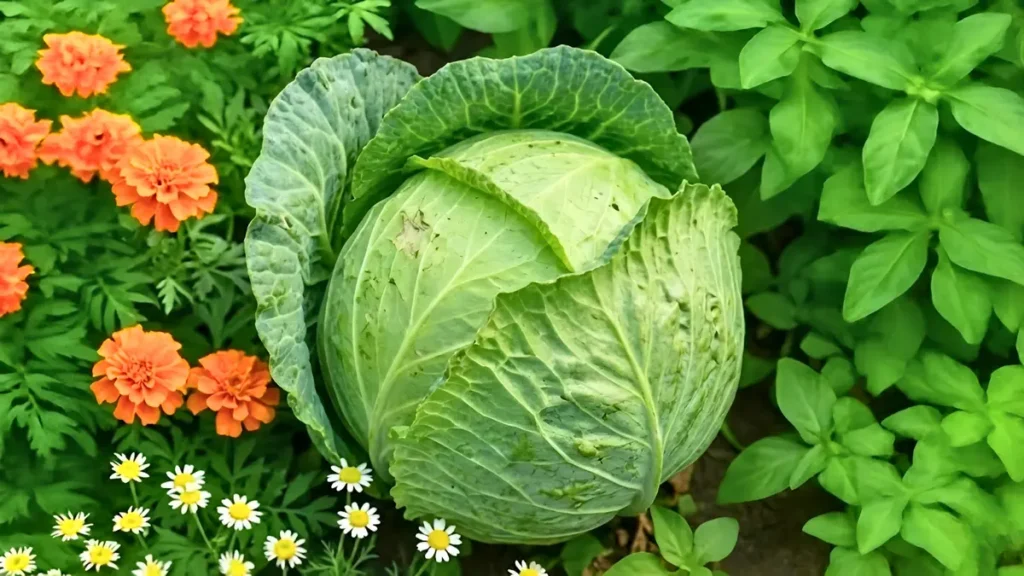
How to Grow Cabbage Naturally: Growing your own cabbage can be incredibly rewarding, but nothing ruins a fresh, green head like pesky worms. Many gardeners struggle with keeping their cabbages healthy without relying on harsh chemicals. Fortunately, there are natural ways to grow cabbage that remain safe for you and the environment. In this article, we will explore simple yet effective techniques to protect your cabbage from pests while ensuring strong, worm-free heads every time.
Encourage Beneficial Insects Naturally
Introducing beneficial insects like ladybugs, lacewings, and parasitic wasps can help control pests in your cabbage patch. These insects feed on caterpillars, aphids, and other harmful bugs, creating a natural balance in your garden. Planting companion flowers such as marigolds or nasturtiums nearby attracts these helpful insects. This method not only protects your cabbage but also promotes a healthy ecosystem, reducing the need for chemical sprays and keeping your produce clean and safe for consumption.
Apply Neem Oil for Protection
Neem oil is a natural pesticide that works effectively against common cabbage pests like cabbage worms and aphids. It disrupts the life cycle of insects without harming beneficial bugs. Spray neem oil on the leaves once a week, preferably in the early morning or evening to prevent sun damage. This treatment keeps your cabbage healthy while remaining organic. Regular use ensures that your heads stay worm-free and encourages stronger, more resilient plants throughout the growing season.
Practice Crop Rotation Wisely
Rotating your cabbage crops each season prevents pests and diseases from building up in the soil. Avoid planting cabbage in the same spot consecutively, as this encourages worm infestations. Rotate with non-cruciferous plants like beans, tomatoes, or corn. This simple step improves soil fertility and naturally reduces pest populations. Over time, your cabbage will grow healthier, and the risk of worm damage will significantly decrease, allowing you to harvest clean, fresh heads every season.
Use Row Covers for Safety
Lightweight row covers act as physical barriers that prevent insects from reaching your cabbage. These covers keep cabbage worms, moths, and other pests away while still allowing sunlight, water, and air to reach your plants. Installing row covers early in the growing season is crucial for maximum protection. They are easy to use and highly effective for organic gardening. By creating this shield, you can enjoy worm-free cabbage heads without any chemical intervention.
Handpick Worms When Needed
While natural methods reduce infestations, occasionally checking your cabbage plants manually is highly effective. Inspect the leaves regularly for eggs or small caterpillars and remove them by hand. This may sound tedious, but it ensures that worms do not spread throughout your crop. Handpicking works well in combination with neem oil and beneficial insects, giving you complete control over pests. This method is safe, simple, and ensures your cabbage remains healthy and appetizing.
Keep Soil and Plants Healthy
Healthy cabbage plants are naturally more resistant to pests. Fertilize your soil with organic compost and maintain consistent watering. Avoid waterlogging, which can attract pests and disease. Mulching around your plants helps retain moisture, suppress weeds, and create an unfavorable environment for insects. A well-nourished cabbage plant grows stronger and produces dense, worm-free heads. Paying attention to soil health is one of the most effective long-term strategies for pest control.
Companion Planting Boosts Protection
Certain companion plants repel pests naturally. Planting herbs like dill, rosemary, or sage near cabbage can confuse insects and reduce infestations. Similarly, flowering plants attract beneficial insects that prey on pests. Companion planting creates a diverse garden environment, which discourages worms from attacking your cabbage. This approach not only protects your crops but also enhances the visual appeal and biodiversity of your garden, making it healthier overall.
Water Strategically to Avoid Pests
Overhead watering can encourage pests and fungal infections on cabbage leaves. Water the base of your plants instead of spraying the foliage. Morning watering is best, as it allows leaves to dry during the day, reducing the risk of pest attacks. Consistent and strategic watering keeps your cabbage strong, encourages deeper root growth, and makes the plants less susceptible to worms. Healthy plants are your first line of defense against pests.
Monitor Your Garden Daily
Regularly observing your cabbage garden is key to early pest detection. Look for damaged leaves, small holes, or signs of eggs. Early intervention allows you to address infestations before they spread, using organic sprays or handpicking methods. Daily monitoring keeps your plants safe and helps you track growth and health. By staying vigilant, you ensure that your cabbage heads remain free of worms and ready for harvest.
Harvest at the Right Time
Harvesting cabbage at the right time ensures you enjoy crisp, worm-free heads. Mature cabbage that remains too long in the ground becomes more susceptible to pests. Check heads for firmness and size recommended for the variety. Timely harvesting reduces the chance of worm infestation and ensures optimal flavor and nutrition. By combining all natural pest control methods and proper harvesting, you can enjoy a consistent yield of healthy, clean cabbage.
Conclusion
Growing cabbage naturally requires attention, strategy, and patience, but it’s entirely possible to achieve worm-free, healthy heads. By encouraging beneficial insects, using neem oil, practicing crop rotation, employing row covers, and monitoring plants regularly, gardeners can minimize chemical use while protecting their crops. Combined with proper watering, soil care, and timely harvesting, these methods create a sustainable and organic approach. With these techniques, your cabbage patch will flourish naturally, delivering fresh, pest-free produce every season.